


 How Neon Lighting Is Evolving Beyond Traditional Signage
Neon lighting is no longer confined to shopfront signs or nightlife exteriors. By 2026, it is evolving into an adaptable design and lighting solution used across interiors, branding environments, homes, offices, and experiential spaces. What was once purely attention-driven signage is now being redefined as functional decor, ambient lighting, and a brand storytelling element. This shift is driven by advancements in technology, changing design preferences, and growing demand for safer, more adaptable lighting solutions that fit modern lifestyles.
Nowadays,consumers are actively exploring neon lights online not just for visual signs, but for personalized interiors, creative workspaces, and branded environments.
From Glass Neon Tubes to Advanced LED Neon Technology
Traditional glass neon tubes, while iconic, come with limitations such as fragility, high power consumption, complex installation, and ongoing maintenance. Advanced LED neon technology has addressed these challenges effectively. With significantly improved durability, lower energy usage, and enhanced safety,modern custom neon lights deliver the same iconic glow and color vibrancy as classic neon.
LED-based neon lighting will dominate the market due to its longer lifespan, minimal heat output, and compatibility with indoor environments by 2026.It allows for thinner profiles, smoother curves, and easier mounting on walls, ceilings, furniture, and architectural elements. Its suitable for both residential decor and commercial neon sign board applications and shift is transforming neon lighting from a specialist product into a mainstream lighting option.
Why Flexibility and Customization Are Driving Design Choices
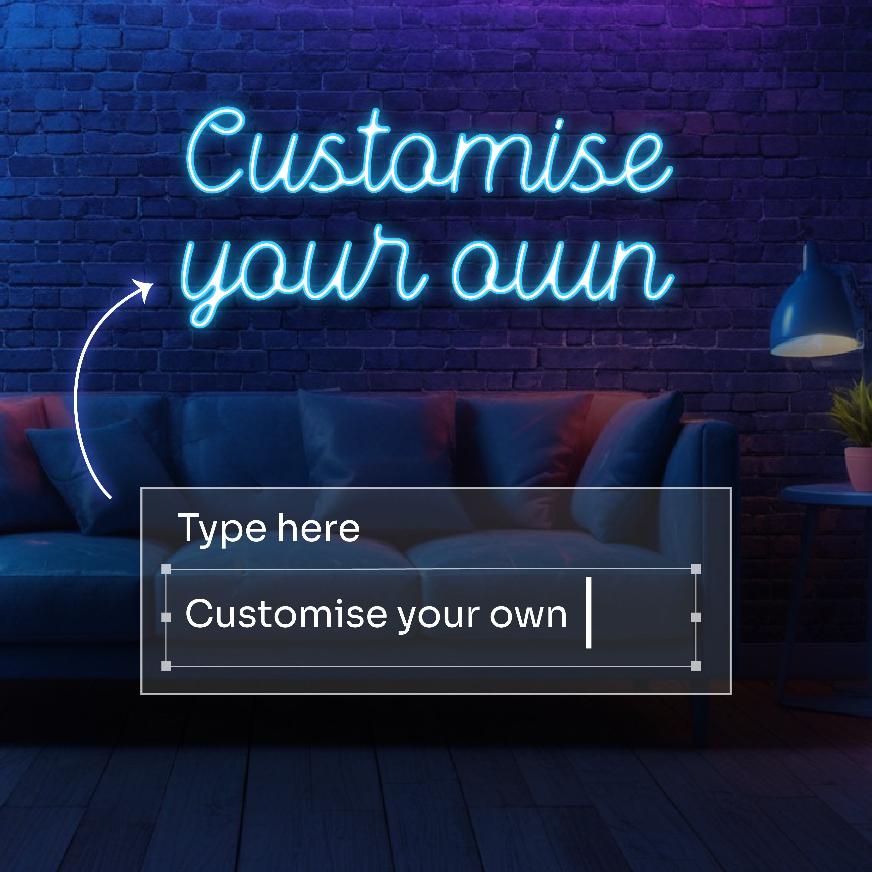
Modern consumers and brands focus on personalization, and neon lighting is responding accordingly. To create complex shapes, custom typography, logos, and artwork that were once difficult or costly with traditional glass tubes make it possible with flexible LED materials.Designers now have the freedom to adapt custom neon lights to specific spaces, color palettes, and brand identities without structural limitations.
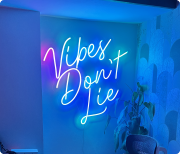
Customization is also becoming faster and more accessible. Neon lighting is increasingly designed around individual use cases rather than one-size-fits-all signage whether it is a subtle name light for a bedroom, stylish neon name lights for a studio, or a branded installation for a retail space.This flexibility is a key reason neon continues to move beyond its traditional role.
Smart Neon Lighting Will Become the New Standard
As lighting technology becomes more smart, neon lighting is evolving together with it.Smart functionality will no longer be a premium add on but an expected feature by 2026.Users are moving away from static, always on signs toward lighting that adapts to schedules, moods, and usage patterns. This shift is turning neon from a purely visual element into a responsive and interactive lighting solution.
App-Controlled Neon Lights and Automation Features
App-controlled neon lighting makes users to manage brightness, colors, and operating schedules directly from their smartphones. Businesses can maintain consistent branding during operating hours while reducing energy usage after closing time.Smart controls allow neon name lights and decor pieces to shift from vibrant accents to softer ambient lighting as the day progresses for homeowners.
Automation features also enable neon lights to respond to triggers such as time of day, occupancy, or preset scenes.This convenience-driven functionality will define how consumers experience neon lighting in both residential and commercial spaces by 2026.
Integration of Neon Lighting with Smart Homes and Commercial Systems
Smart neon lighting is increasingly designed to work with broader smart home and commercial automation systems.Smart voice assistant support and centralized lighting platforms allows neon lights to function as part of a unified environment rather than standalone decor.
Neon sign boards can be synced with security systems or operational schedules to improve efficiency in commercial settings.In homes, personalized name lights and decor installations can complement other smart lighting elements, adjusting automatically based on routines or ambient conditions.
Neon Lighting Trends in Interior Design by 2026
Interior design is redefining how neon lighting is used within living and working spaces.Neon will no longer be treated as a novelty or statement only element by 2026.Instead, it will be intentionally integrated into layouts as part of a layered lighting plan. Designers are using neon to complement architecture, guide movement, and enhance atmosphere without overwhelming the space.
This shift reflects a broader move toward purposeful design, where aesthetics and function coexist.
Neon Lighting as Functional Decor, Not Just Visual Accent
Neon lighting is evolving into functional decor that serves both practical and visual roles. Neon is now used as ambient lighting, indirect illumination, and subtle wayfinding rather than being limited to wall art. Neon name lights appear behind headboards, shelves, and mirrors in homes. custom neon lights define zones, highlight brand touchpoints, and add personality without relying on excessive fixtures,in commercial interiors.
Neon will be viewed as a lighting layer that enhances usability and mood, not just decoration,by 2026.
Minimal, Warm, and Custom Color Palettes Replacing Loud Designs
Bold, high-contrast neon colors are gradually giving way to refined palettes. Interior trends now favor warm whites, soft ambers, muted pastels, and custom hues that blend seamlessly with materials like wood, stone, and textured fabrics. These choices make neon lighting feel intentional rather than overpowering.
Customization plays a critical role here. Rather than generic brightness homeowners and brands are choosing colors that reflect personal identity or branding.This shift allows neon lights online to cater to more polished design preferences.
Personalization and Custom Neon Designs Will Dominate
Rise of Name Lights, Logo Signs, and Bespoke Installations
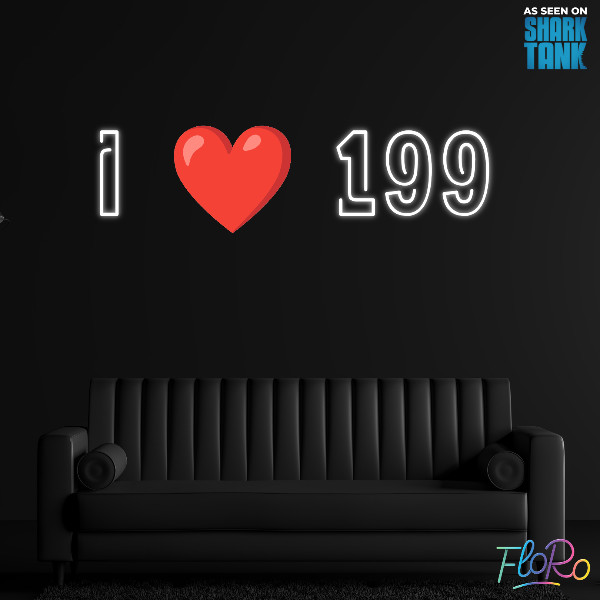
Personalization is shaping the future of neon lighting. Neon name lights, logo signs, and bespoke installations are becoming increasingly popular across homes, offices, retail stores, and hospitality spaces. While logo-based neon sign boards reinforce brand recall and visual identity for businesses a personalized name light adds character to personal spaces.
Bespoke installations are also moving beyond flat walls. Neon is being shaped to follow architectural contours and integrated with mixed materials, creating immersive environments rather than standalone elements.
Faster Turnaround Through Digital Design and Manufacturing
Production timelines are reduced as customers can preview designs, request revisions, and finalize layouts before production begins.Advances in digital design tools and manufacturing processes are significant, Modern LED fabrication allows quicker assembly and scalable customization without compromising quality.
As a result, ordering custom neon lights online is becoming faster, more affordable, and more accessible. This efficiency will accelerate adoption across residential and commercial markets by 2026.
Final Thoughts
Neon lighting will move well beyond its traditional role in decorative signage and nightlife environments by 2026. It will evolve into a smart, sustainable, and highly personalized lighting solution used across homes, businesses, and experiential spaces.Smart controls allow lighting to adapt seamlessly to mood, time, and purpose while advances in LED technology will make custom neon lights safer, more energy-efficient, and easier to customize.
Whether through impactful neon sign boards or immersive interior installations for businesses, neon lighting will function as a powerful branding and engagement tool.Neon name lights and personalized decor will offer expressive yet functional design solutions for homeowners. The future of neon lighting is not about being louder or brighter but it is about being smarter, cleaner, and more intentional.. This evolution positions neon lighting as a long-term design investment rather than a short-lived visual trend for Neon Attack.